
Decoding
Function
Planning
Kemou Nie Kele Xu Xinrui Wang
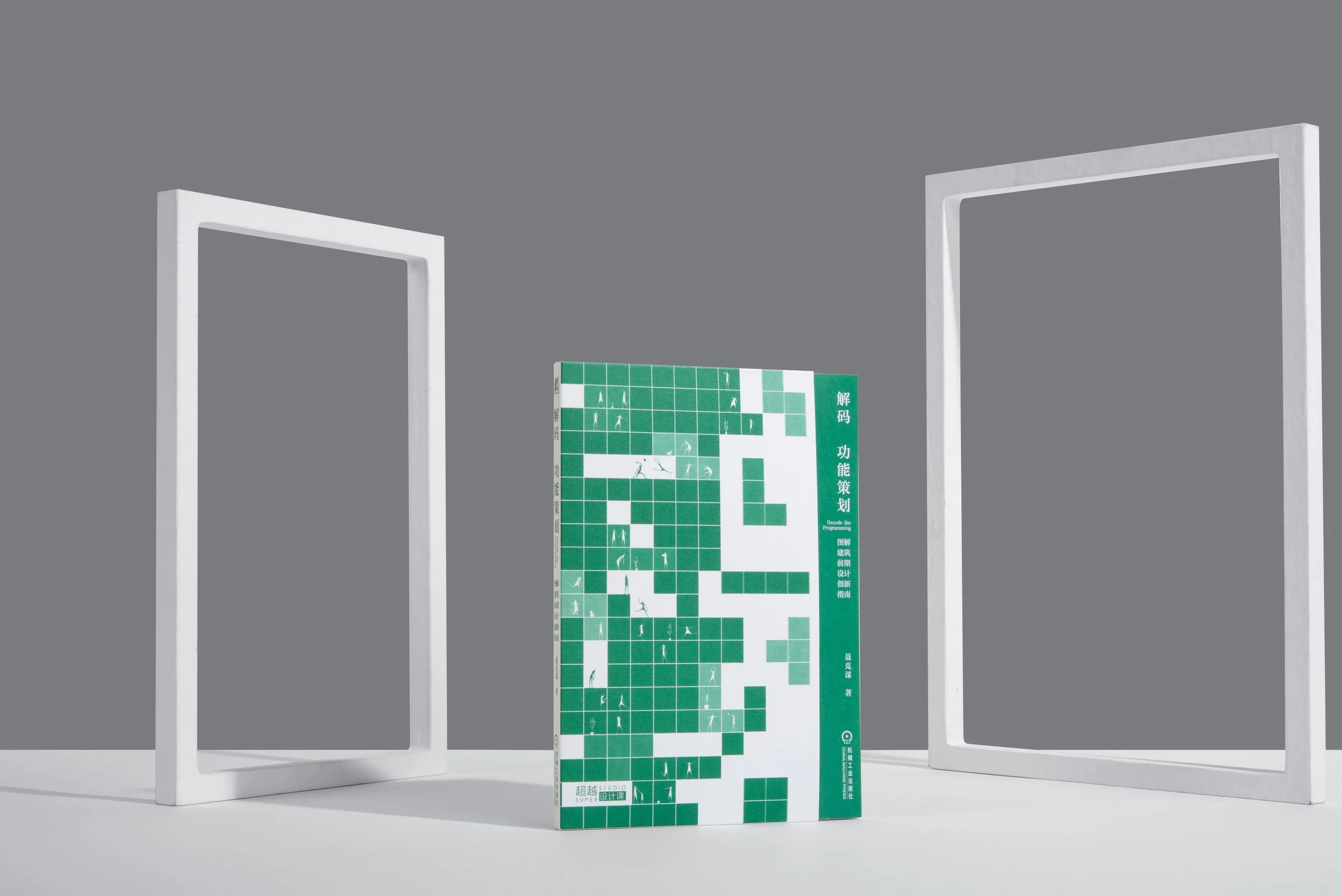
Click the Image for more information.The series of "Decoding" books was awarded as one of the Top 10 best books in the field of architecture by Mechanical Design Science and Technology in 2023Function is at the core of architectural product innovation, yet it is also easily overlooked. In the past, our architectural education and practice often focused on the creation of form and space, regarding function as a given and unquestionable "topic". This method did indeed meet the demand for rapid construction in the era of mass production. However, with the progress of society and the evolution of human needs, architecture has shifted from a simple competition in "quantity" to a deep pursuit of "quality".
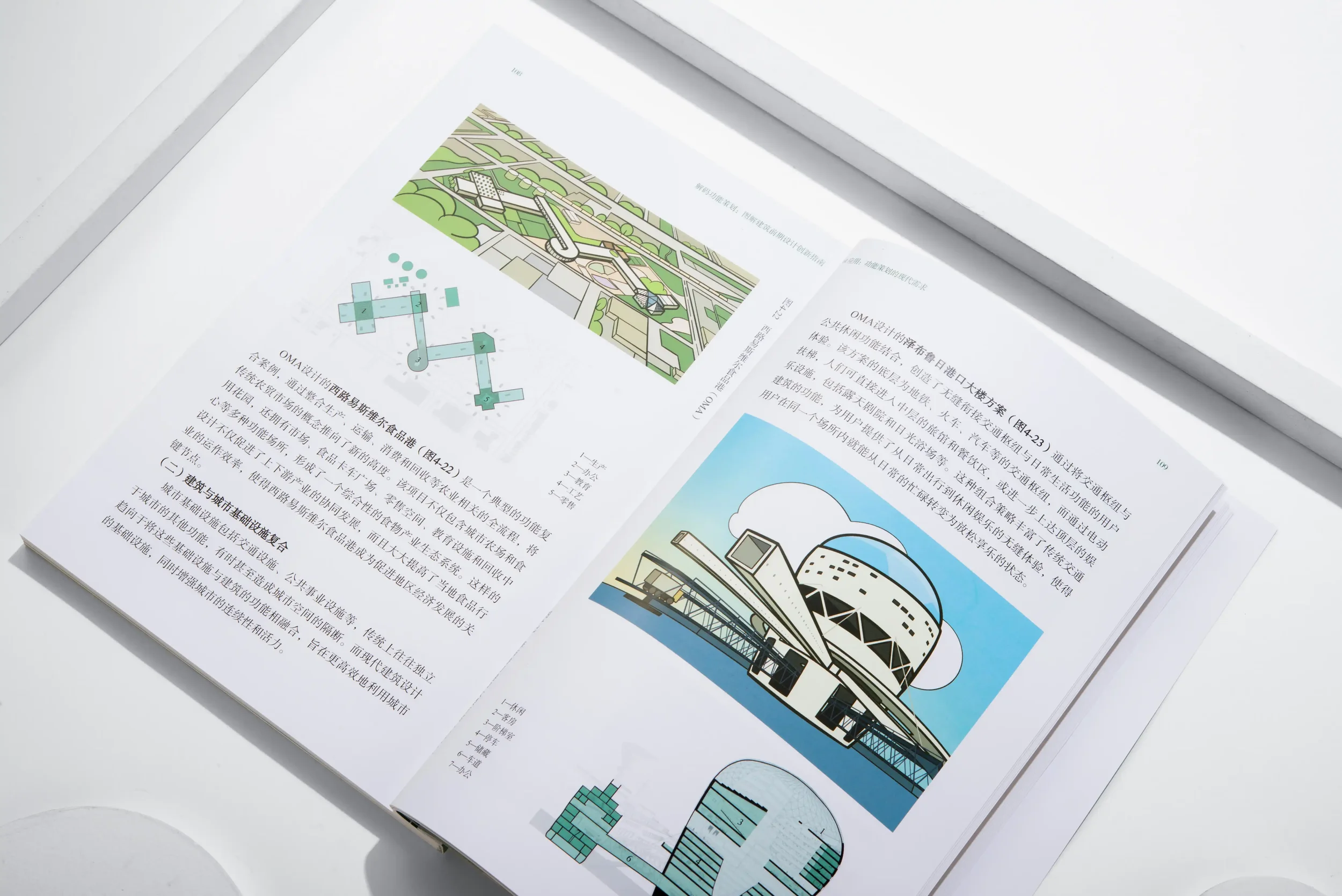
This book, through systematic analysis and detailed case studies, comprehensively expounds the core concepts and methods of architectural functional design. It not only provides valuable knowledge resources for professionals but also reveals the deep-seated principles of architectural functional planning to architecture enthusiasts. Committed to establishing a set of "functional planning diagrams" that can be used by designers, helping everyone break away from the framework of the established functional task book and more creatively realize the "functional combination strategy" of buildings.
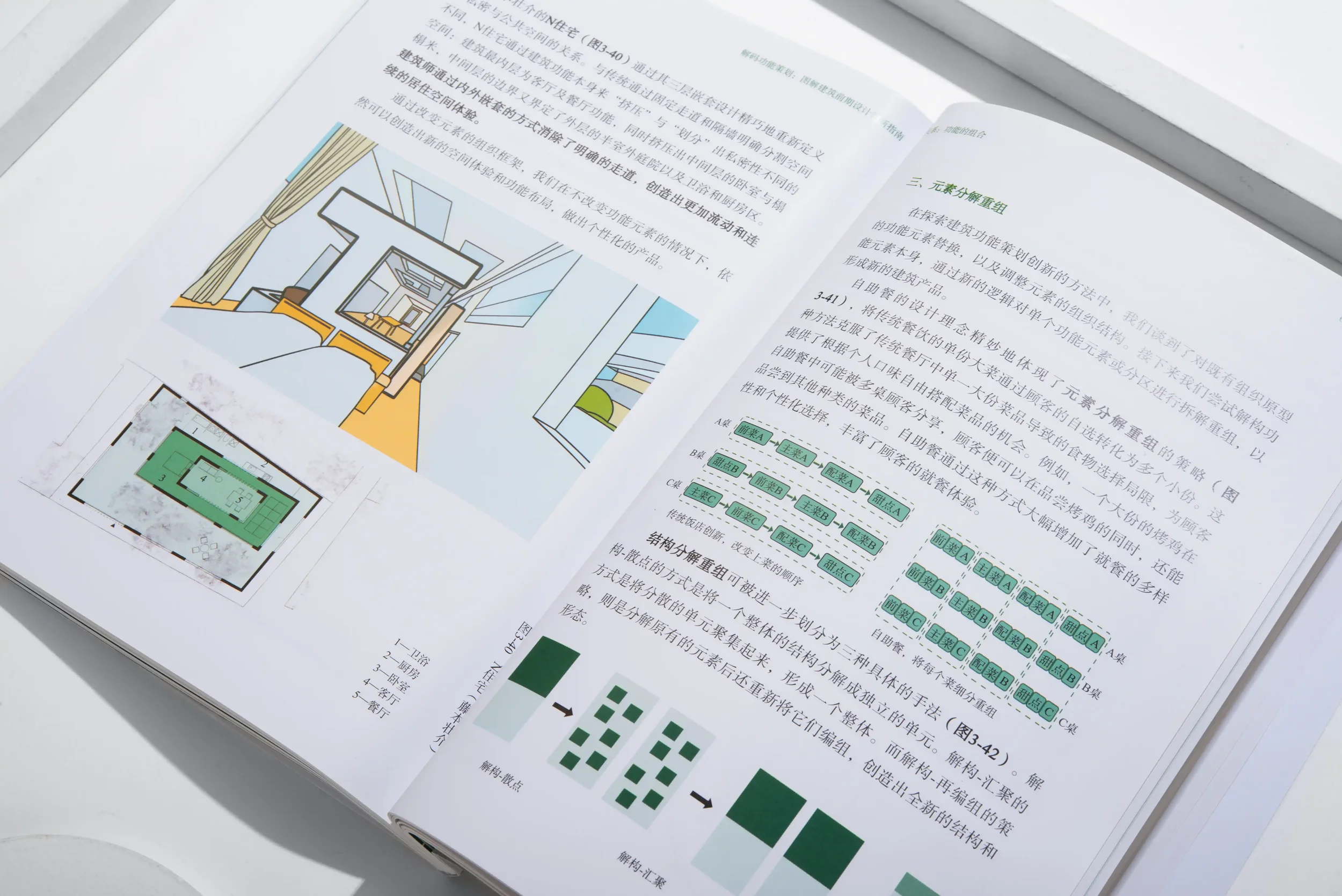
From the deconstruction and reorganization of functions in the spatial dimension to the consideration of dynamic changes in functions in the temporal dimension, and how to break through with functional innovation in the face of the impact of virtual space on physical space, this book connects these contents in an easy-to-understand way, answering doubts while deeply analyzing the underlying logic of architectural functional planning.
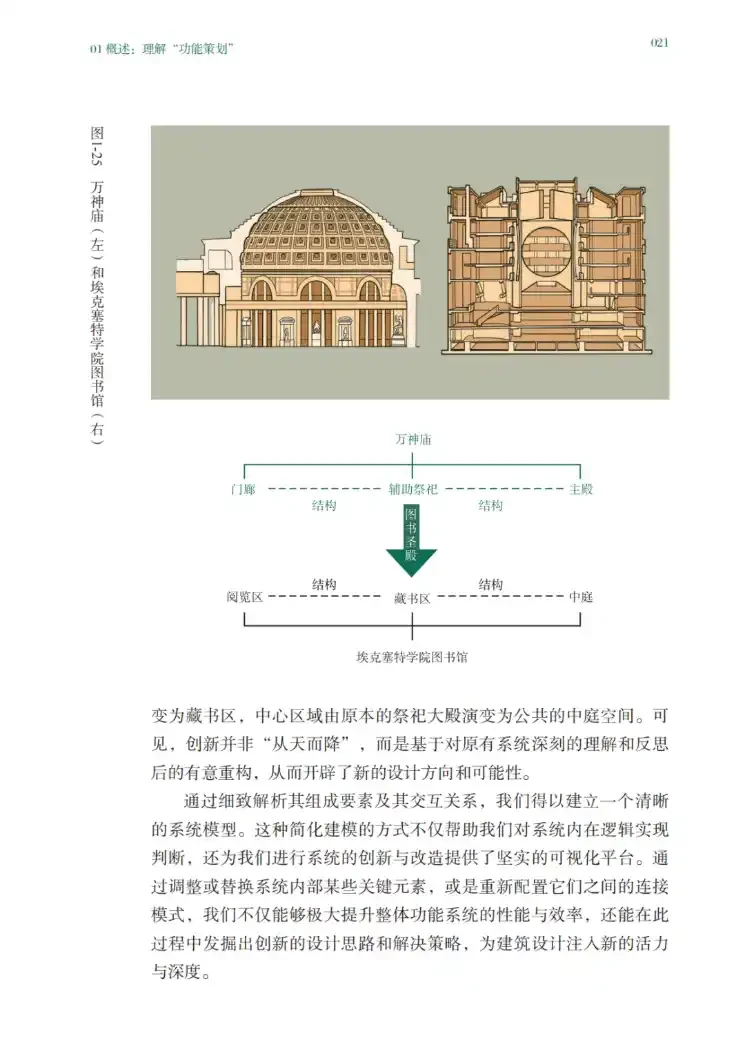
This book is the author's dedicated work to break the "mystical circle" of architecture. It systematically expounds functional planning from the rational thinking framework of "overview - characteristics - relationship - application", reversing the traditional cultivation and edification style of perceptual cognitive education, making architectural design traceable.
When we start from the fundamental needs of people for space, we will "disenchantment" space, and it will naturally come down from its pedestal and become a practical design practice.
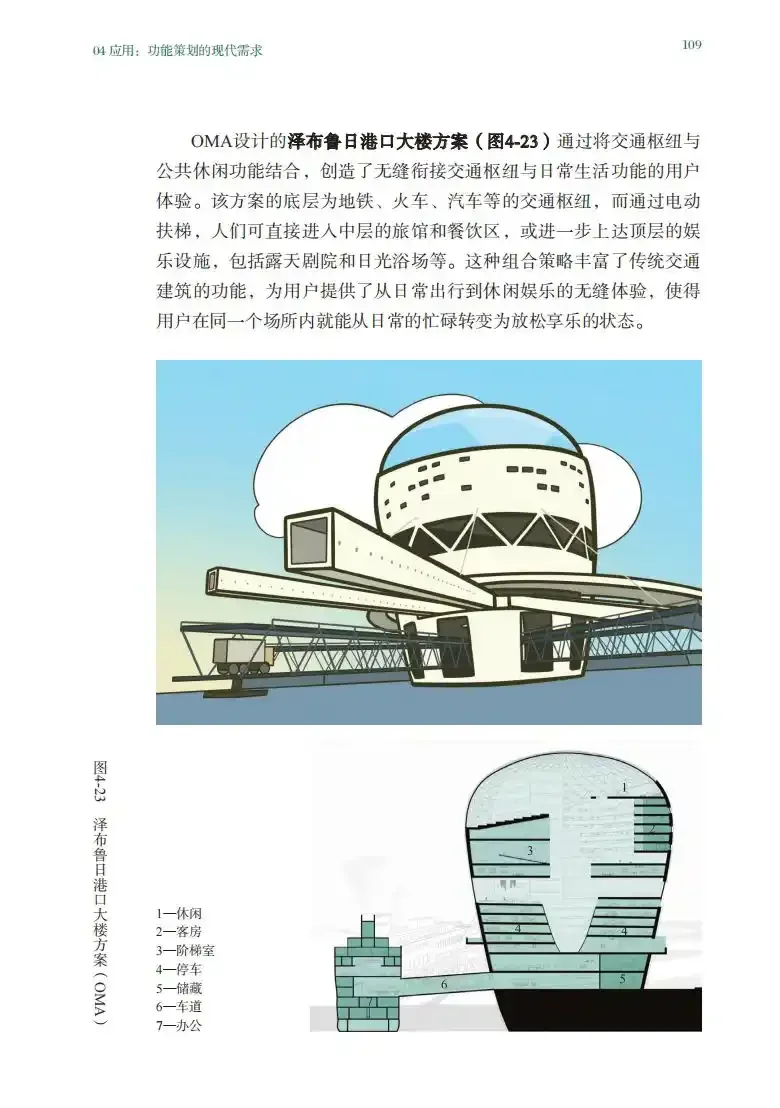
Starting from the hidden design details in our daily life, the book distills the way of design and combines it with the design methods of architectural functions. "Taking architecture as the carrier, but not limited to architecture", the book not only teaches design knowledge such as form, space and function through architecture, but also integrates innovative concepts from fields such as product design, integrating design thinking from multiple fields.
For those outside the construction industry, this book also aims to bring about a comprehensive reflection on the essence of design serving people from an architectural perspective, and systematically understand how to more deeply deconstruct and study complex design cases.
I sincerely hope that even if readers are not in the architectural design industry in the future, they can still gain some new inspiration from the learning experience of the Decoding series of books. Design thinking is everywhere.




Thematic visuals I designed for the chapter dividers.The Content Team